Posts
By Daryll Lund
The start of the Wisconsin Bankers Association’s (WBA) new fiscal year is a great time to spotlight the many opportunities available for both new and experienced bankers to grow professionally and connect with others in the industry. Representing over 30,000 bankers statewide, WBA is powered by its members’ energy, insight, and commitment to working together.
On June 11, 2025, Paul Northway, President and CEO of American National Bank Fox Cities, was installed as Chair of WBA’s Board of Directors. With a focus on relevance, Northway’s message to members is clear: staying connected, engaged, and forward-thinking is essential for the association — and the industry — to thrive. As the banking landscape continues to evolve, it’s up to all of us to ensure WBA remains a trusted, valuable resource for years to come.
A key opportunity is the WBA Advocacy Officer program. These individuals serve as liaisons between their banks, WBA, and policymakers. By sharing how legislation affects their businesses and communities, Advocacy Officers play a crucial role in helping lawmakers understand the real-world impact of their decisions.
WBA’s professional development and engagement opportunities are designed to keep our members informed and well-prepared to face the evolving issues in our industry.
Each year, WBA hosts 75 in-person events, conferences, and schools across Wisconsin, in addition to convenient virtual programs. These gatherings connect bankers to expert insights, practical tools, and each other.
Leadership development remains a top priority. Our Building Our Leaders of Tomorrow (BOLT) program, now in its 12th year, helps emerging leaders grow their skills and confidence. Through events and mentorship, BOLT participants are shaping the future of Wisconsin’s banking industry.
WBA is also committed to peer connection. WBA Connect offers focused peer networking groups for everyone from HR professionals to commercial lenders — providing a space to exchange ideas, solve problems, and stay sharp.
Whether you’re attending a conference, mentoring a colleague, or advocating for your bank, your engagement strengthens WBA and helps ensure WBA’s relevancy — together.
Lund is WBA executive vice president – chief of staff and president of EBC and MBIS.
By Hope Markhardt, Business Relationship Manager at Lake Ridge Bank and BOLT Board Member

Hope Markhardt
There’s something energizing about being in a room full of people who want to grow—both professionally and personally. That’s what makes the WBA BOLT Summer Leadership Summit, coming up June 5–6 in Wisconsin Dells, such a meaningful event. It’s where new ideas meet opportunity, and where future leaders get to connect with others on a similar path.
As a returning attendee and member of the BOLT Board, I’ve seen how impactful this summit can be—not just for individuals, but for the banks that invest in them. The conversations, the learning, and the networking all help bring a fresh sense of motivation that carries well beyond the two days we spend together.
What I’m Excited About This Year
I’m especially looking forward to the general session, “Banking in the Era of GenAI: Why the Soul Still Matters.” As someone who uses AI in my daily work, I’m really interested in how we can balance new technology with the human side of what we do.
I’m also excited for the breakout session on the “7 Habits of Highly Successful Bankers.” Sessions like this help us focus on the habits and mindset that make a difference, especially in a fast-changing industry.
Why BOLT Is Worth It
One of the most valuable parts of BOLT is getting to spend time with people who are driven, curious, and ready to step into leadership. You walk away with ideas you can take back to your team, along with a stronger sense of purpose in your role.
If you’re a leader thinking about who to send this year, know that your investment will come back tenfold. Attendees return with new tools, fresh perspective, and connections that last well beyond the summit.
If you’ve never been to BOLT, this is the year to check it out. And if you’ve been before, you already know how valuable it can be.
Below is a Q & A with Meredith Strieff, vice president, customer experience at Horicon Bank. Strieff chairs the Wisconsin Bankers Association Building Our Leaders of Tomorrow (BOLT) Section Board and has recently taken on a newly created emerging leader seat on the American Bankers Association (ABA) Community Bankers Council (CBC).
What does the emerging leader role on the ABA CBC entail?
I have the honor of representing the Emerging Leaders Council (ELC) of the ABA within the Community Bankers Council of the ABA. This means that I participate in the working group and council meetings of the CBC, to continue to build the bridge between our two groups. Keeping the CBC informed and included in the initiatives of the ELC, bringing our perspectives, successes, and challenges to light. On the flip side, I bring back the perspectives and initiatives of the CBC to the ELC, helping to drive continued collaboration and forward-thinking approaches toward collective success for the banking industry as a whole.
How do you see the role of emerging leaders shaping the future of the banking industry?
Emerging leaders in general: this is our future! And it’s bright! We, as an industry, need to be deliberate in our nurturing and give this group a voice. Listen to them, learn from them, and do not be afraid of change. The ELC, specifically, is the most caring, compassionate, and most innovative minds in banking. They’re passionate about helping their communities, to make lives better, whether that’s through traditional financial services, partnerships with Fintechs to deliver forward-thinking solutions or educating their communities to enhance the fight against fraud. The drive of these individuals is admirable, and they aren’t afraid to speak up, together, to harness the power of community banks across the country. Lastly, this group is in the ‘boots on the ground’ team at most of their banks — still very much involved in the day to day, where they are experiencing the challenges and successes of community banking along with our customers. This is a powerful place to be that will allow for some of the greatest strides in innovation and customer experience in the coming years. It’s exciting to have the opportunity to be a part of that.
What have you learned by being a part of the Council?
ELC — There is far too much to appropriately summarize here. A few highlights:
- Say yes. When someone asks you to step into a role or speak at conference, or sit on that panel, Just. Say. Yes.
- (Emerging) leadership is a journey and you’re never done learning. No one started knowing it all, and no one knows it all now. Ask questions and LISTEN to others. They may not have the answers, but they certainly have perspective and the importance of different perspectives gets even bigger as your leadership journey continues.
- I’ve learned no matter if you’re a community bank from the East Coast or the West Coast, big or small, we’re dealing with the same challenges, and we’re all in this together.
CBC — I’ve only had the one meeting with the CBC thus far, however I have learned that this group of bank CEOs and presidents are amazing people who don’t just talk, they’re out there getting things done. They care about the communities they serve and understand the collaborative power that can be harnessed when we’re all working together.
How has being a part of the Council shaped your perspective on the industry as a whole?
Both ELC & CBC have reinforced my perspective on community banking as a whole. Across both groups, the passion for helping our communities grow and thrive is evident and at the heart of what we do each day. The fight against fraud is real — but never once has the focus been on saving the bank money in loss; the passion for this growing problem is rooted in genuine care for our customers — saving them from potential loss.
How did you get involved in advocacy at the state and national levels?
I’m sure you’ve heard me say this before — I was never, ever, going to raise my hand to sign up to go to Capitol Hill in D.C. to advocate for our banking industry. With the honor of chairing the WBA’s BOLT Section, I was offered the opportunity to attend this event with a group of BOLT bankers, along with WBA staff members. Rose and the team at WBA made this experience so welcoming — simple and easy to navigate, and I felt very prepared and supported throughout. I jumped right into the national level with this trip, and have unfortunately, never had the ability to attend Capitol Day in Wisconsin, due to scheduling conflicts.
What advice do you have for a banker who is interested in advocacy?
Just. Say. Yes. (There’s a theme here.) Sure, it can be daunting at first, however it’s helpful to remember: it’s just people talking to other people. You’re the expert in what you do — banking! Our representatives need to hear from us, and they want to know real life impacts the decisions they are making have on their people they were elected to care for. Understandably, there’s not always an opportunity to go to D.C. or similar, however, you can advocate right here at home! The WBA and ABA have oodles of resources — from pre-written letters and information on policy and regulation proposals to be sent to local representatives to scholarships available to attend a Washington Summit or WBA Capitol Day — check out what’s available! Don’t be afraid to ask your bank’s leadership how you can get involved and be a voice for our industry! If you’re not quite ready for the jump to 100% advocacy, start by joining BOLT and get your feet wet with this group of amazing individuals who are supporting the mission of BOLT: Leadership, Education, and Advocacy.
By Kelsey Hudson, Vice President Commercial Banking Officer at One Community Bank and member of the Wisconsin Bankers Association BOLT Board

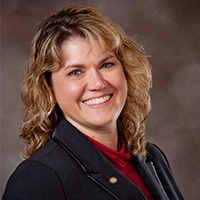
Kelsey Hudson
As the year winds down, it’s a natural time to pause, reflect, and plan for the future. This season of gratitude offers the perfect opportunity to celebrate successes, acknowledge the people who’ve supported us, and prepare for the opportunities ahead. In banking, where relationships and growth go hand in hand, intentional reflection and goal setting can make all the difference.
Looking back on 2024, it’s important to take pride in the progress we’ve made. Whether it was deepening client relationships, navigating challenges, or achieving professional milestones, each step forward contributes to our growth. Reflecting on these moments allows us to see how far we’ve come while also showing gratitude to the colleagues, clients, and mentors who’ve supported us along the way.
As we turn our focus to 2025, setting intentional goals is key to thriving. Professionally, this might mean expanding your skills, pursuing leadership opportunities, or finding innovative ways to serve clients. On a personal level, it could involve prioritizing health, spending more time with loved ones, or pursuing a passion project. Clear, actionable goals help turn aspirations into accomplishments, providing purpose and direction as we move forward. By planning with purpose and approaching 2025 with optimism, we can all make a difference in our careers, our communities, and our personal lives.
While it’s natural to look ahead with ambition, it’s equally important to remember how far we’ve come. Growth is a journey, shaped by challenges overcome and lessons learned. By taking time to reflect on our progress and setting thoughtful goals for the future, we can build on our successes and embrace the opportunities ahead.
Here’s to a new year filled with growth, opportunity, and meaningful progress. Let’s make 2025 a year of thriving, both personally and professionally.

Cassy Diercks
By Cassy Diercks, Retail Sales Supervisor, VP with Citizens First Bank, Sparta
As the Winter BOLT Leadership Summit in November approaches, I am looking forward to a strong turnout. It is always intriguing to see first-time attendees stand, and I am often pleasantly surprised by their numbers. I am particularly excited about the lineup of speakers, especially Michael Graham.
The dynamics of our industry are evolving daily, and navigating these changes with your team can present both challenges and opportunities for collaboration. Additionally, the networking sessions offer significant value, providing a platform for peers to discuss their experiences, share challenges, and offer advice based on similar situations.
BOLT has provided me with opportunities to step outside my comfort zone and build new connections, which is something I look forward to every Summit. I hope to see some of your bank’s staff there as well.
By Chanel M. Schmidt, vice president – branch manager, Port Washington State Bank, BOLT Section Board Member

Chanel M. Schmidt
I have been a part of the banking community for almost 30 years, it has been a journey working at many different financial institutions, doing various roles. One thing I learned is that banking is my passion, and I am extremely proud of all that I have accomplished. Today, I would like to share my story of being a professional in the banking industry, and the role that Building Our Leaders of Tomorrow (BOLT) through the Wisconsin Bankers Association (WBA), has played a part in my success.
When I started as a banker, my vision was unclear. I was only 16 after all. I had ideas of being a nurse and attending nursing school, or even a teacher. I did eventually attend tech school to complete the early childhood education program. This was useful when I started a family and ran an in home day care. It was rewarding to be home with my family, care for others children and even teach them a little something, seeing their growth and development was truly inspiring and motivated me to want more.
Banking was always easy for me, I was a quick learner and throughout my journey I could always pick right up where I left of. I have been back in banking for just over 10 years. I never imagined wanting to be a leader; that was too terrifying, title was not something that mattered to me and still does not today. My main purpose and goal was to work hard, take care of our customers, and make a difference. This still holds true to today, the only thing that has changed is that I want to make banking better, and I want to impact and inspire others to do the same.
Throughout all of my opportunities the consistent driver was a mentor that believed in me and saw my potential. As I became more confident my vision became clear that this could be more of a career than just a job. About 6 years ago, I was encouraged to train and develop our team members in our retail department, this also seemed terrifying (the word leader came to mind), but I remembered how much I loved to teach and see individual growth and development of an individual. Once I started our training program, I was able to attend my first BOLT summit. The idea was to get together with peers in our industry, and get insightful material to grow our program. I can tell you at first I felt like I was not valuable enough to be there, and boy was I wrong. When you step in a room at a BOLT summit you are meeting and networking with bankers in all roles of our industry. After that first summit, I wanted more. I wanted to be better, I wanted to make a difference to my financial institution. I needed to work hard, and set my goals for my next chapter. I needed to become a leader to help grow and develop others in our corporation.
BOLT has enabled me to build a growth mindset that intelligence can be developed and I had the potential to be a leader. With that mindset it has brought encouragement to take on more challenges and really put me outside of my comfort zone. BOLT has helped me to make an impact in other ways through volunteerism, leadership, training and development facilitating, and the scariest of all; public speaking.
Every experience has taken me past the limits I have set for myself, it has challenged me to grow. The opportunities my company has provided for me to continue my education, attend networking opportunities, attend BOLT summits and join a WBA section board has been career changing. I have learned that leadership isn’t as scary as it seems, everyone can be a leader because the title is not what makes you a leader, it’s how you show up and lead.
By Daryll Lund
The start of the Wisconsin Bankers Association’s (WBA) new fiscal year presents an ideal moment to spotlight the abundant opportunities available for both new and seasoned bankers to advance their professional development and build meaningful industry connections. Representing over 30,000 individual bankers, our Association thrives on their energy and desire to learn. Members’ insights, creativity, and expertise propel WBA to advance our mission
of advocacy and education.
On June 5, 2024, Al Araque, senior vice president and director of consumer, private, and business banking at Johnson Financial Group in Racine, was installed as Chair of WBA’s Board of Directors. During the ceremony, he emphasized his priority of amplifying the Association’s impact and encouraged bankers to seize the opportunities WBA offers.
WBA’s commitment to professional development is unwavering, evidenced by our top-notch programs and resources. For over 130 years, we have facilitated connections between bankers and experts on a wide array of banking-related subjects while also fostering peer relationships. We offer 80 in-person conferences, schools, and events across Wisconsin, alongside numerous convenient virtual options.
One of the standout opportunities for current and emerging leaders is the Building Our Leaders of Tomorrow (BOLT) program. Now in its 11th year, BOLT ensures the continued success of community banks by emphasizing talent development. Thousands of bankers have been equipped with tools to connect, learn, and advocate for their industry through BOLT. Participants in the BOLT program can, in turn, shape the next generation of leaders.
The WBA Advocacy Officer program is another essential leadership opportunity. Advocacy Officers coordinate regulatory, legislative, and community advocacy efforts for their banks in collaboration with WBA. They work with fellow bankers, WBA staff, and representatives at local, state, and federal levels, as well as other state and national trade groups. By sharing stories of how legislative issues impact their professions and communities, Advocacy Officers play a crucial role in influencing change.
Our Employee Resource Group (ERG) aims to connect all members, especially those from historically underrepresented groups. This virtual forum offers a safe space for bankers to converse, share experiences, ask questions, and learn from one another. We are pleased to have Beth Ridley, CEO and founder of Ridley Consulting Group, moderating the group in 2024.
Another invaluable resource is WBA Connect, a collection of peer networks. These groups, covering topics from human resources to commercial lending, provide a banker-only peer community where members share challenges, wins, ideas, and inquiries specific to their roles.
Whether through participation in training and educational programs or volunteer opportunities, your active involvement in WBA helps amplify the positive impact member banks have in their communities and our industry.

Hope Francis
By Hope Francis, business relationship manager at Lake Ridge Bank
Building Our Leaders of Tomorrow (BOLT) | June 13–14, 2024 | Wisconsin Dells
As one of the approximately 150 BOLT Summer Leadership Summit attendees, I am reminded of the profound sense of empowerment this event instills. BOLT provides a platform for banks all over Wisconsin to send individuals to build leadership and advance their organizations, inspiring us to elevate our roles to the next level.
Jenifer Snook of Haberfeld kicked off the summit with great enthusiasm for leadership, providing practical action steps for developing a growth mindset. This mindset, she explained, helps limit negative thoughts and improves the work environment. My key takeaway from her session was the empowering notion of training others to be better than you and not being threatened by their success, equipping us with the tools to foster growth in our teams.
The next speaker, Daniel Anderson of Stifel/ICBA Securities, discussed industry trends and shared strategies for handling the current environment. He noted that the industry needs to “survive ’til 2025” as the environment improves. He left us feeling prepared and equipped to navigate the future.
After lunch, attendees were able to choose two sessions to focus on. Sarah Oberthaler of Citizens Bank did a breakout session on the power of intentional communication. She stated that communication is the most valuable tool for earning respect and growing your career. We should say thank you, file and remember our positive feedback, and consider the worth of constructive feedback. Communicating appreciation can go a long way in developing a two-way feedback channel, underscoring the importance of effective communication in team development.
Paul Burke of Business Acceleration, LLC, led my second breakout session on mastering the meeting. Paul advised on how to handle conflict and how it can improve teams if used correctly. He advocates for everyone to become a Chief Reminding Officer since messages often need to be said seven times in order to be understood. Paul advocates for the IDS Method, which is to identify the issues, discuss them, and solve them.
Before the final session on Thursday with Linda Clemons of Sisterpreneur®, attendees had tabletop discussions with their peer group. Linda brought tremendous energy to nonverbal communication and explained how to read others’ body language. She noted that leaders should know their employees’ baseline energy and notice when someone is not themselves. Linda closed her session by teaching listeners how to read deceptive individuals. Truthful people convey information, while deceptive individuals try to convince you of what happened.
Debbie Peterson of Getting to Clarity, LLC, started the Friday sessions with a conversation on how to take direction in your leadership and life. Debbie had attendees write their goals, create a career roadmap, and identify who they could lean on for support. She explained that you should lead yourself first, which makes individuals authentic and gives them a competitive advantage. Debbie also noted that success comes by choice, not chance. She closed her session by helping attendees find who they are outside their careers and recommended that everyone lean on those qualities to show their competitive advantage.
Joe Micallef of Grow UP Sales held the closing session for the BOLT Summer Leadership Summit. Joe focuses on how you should be a captain, coach, and cheerleader for your team since all success can be fast-tracked with a team. He explained the importance of improving the culture by asking how you want your team to think and feel about your bank. Joe states every team member could use coaching, with joint calls being an excellent opportunity for feedback. People remember what you consistently do, so be consistently good.