• Home
  • Education
  • News and Resources
  • Advocacy
  • Associate Members
  • Contact
  • My Profile
  • Click to open the search input field Click to open the search input field Search
  • Menu Menu

Tag Archive for: Education

Posts

Education

Navigating the Headwinds: A Strategic Path Forward for Community Bank Mortgage Lending

Mady Arndt

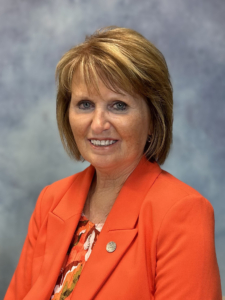
By WBA Associate Member Mady Arndt, mortgage loan officer at BANK NMLS

Community banks today are navigating one of the most challenging mortgage markets in recent history. Elevated interest rates have slowed loan origination volumes, squeezed margins, and forced institutions to re-examine their operating models. According to the 2024 Fannie Mae Mortgage Lender Survey, lenders are most concerned about (1) talent retention, (2) controlling costs and (3) streamlining business process. While many see a choice between staying the course or getting out of the game, a more strategic approach is emerging: leveraging shared resource models to build a more resilient and cost-effective operation.

The Talent Dilemma: Retaining Mortgage Loan Officers (MLOs) in a Tight Market

The mortgage industry is currently facing a significant talent drain. With low origination volume, many mortgage loan officers (MLOs) are struggling to sustain a living. Recent data shows that the number of active, producing MLOs has fallen by as much as 43% since its 2021 peak, prompting what some are calling a “talent crisis”. For a small bank, the cost of retaining an in-house team of experienced originators, underwriters, and closers through lean times is immense.

One increasingly attractive solution is outsourcing through shared resource models. Rather than bearing the full cost salaries and benefits, a community bank can access highly skilled professionals on a per-transaction basis. By leveraging this model, banks can rely on seasoned MLOs, underwriters, and processors, freeing their in-house team to focus on strategic, relationship-driven tasks that support long-term success.

The Rising Costs of Origination

Mortgage lending is resource-intensive business, especially for a smaller operation with low volume. It requires experienced staff, complex technology, and a deep understanding of ever-changing compliance regulations.  The Mortgage Bankers Association (MBA) reported that in 2023, the average cost to originate a loan for non-bank lenders exceeded $8,000. Roughly half of that, over $4,000 per loan, stems from underwriting, processing, compliance, and technology costs alone.  For smaller institutions, this cost can be prohibitive, particularly when faced with just a handful of new loans each month.

Outsourcing these critical mortgage functions can dramatically reduce expenses. By partnering with a trusted provider, a bank can offload these labor-intensive and time-consuming processes while ensuring accuracy and compliance. This leaner model enables institutions to maintain profitability, ensure high service quality, and redirect staff toward higher-value or customer-facing activities.

Bridging Operations with Technology Without the Hefty Price Tag

Today’s borrowers expect a seamless digital experience: online applications, secure document portals, real-time updates, and more. For a small bank, developing and maintaining this technology stack on its own is often cost-prohibitive.

Through shared resource models or strategic partnerships, banks can gain immediate access to sophisticated technology platforms, tools that rival those of national lenders, without the massive investment. This approach allows community banks to:

  • deliver a modern, competitive borrower experience,
  • streamline operations and ensure compliance, and
  • maintain their unique brand and personal touch.

Preparing for Future Growth

Market conditions will not remain static. When interest rates decline, the industry expects a surge in refinancing activity. Community banks that fail to prepare now risk being overwhelmed, potentially losing customers to larger lenders with greater capacity.

The key is implementing a scalable strategy today. And here’s the crucial point: outsourcing doesn’t have to be an all-or-nothing proposition. You can build a hybrid model. For instance, banks may choose to retain their in-house team for conventional purchase loans while outsourcing higher-volume products, like jumbo loans or refinancing applications, to a trusted partner. This strategy allows banks to scale up as needed without risking their reputation or losing customers to a national competitor that can handle the volume.

References:

  1. Mortgage Bankers Association (MBA) Report on Mortgage Production Costs, 2023.
  2. Fannie Mae’s Mortgage Lender Survey, 2024.
  3. National Association of Mortgage Brokers (NAMB), industry reports on costs and origination efficiency.
November 18, 2025/by Elizabeth Fenton
https://www.wisbank.com/wp-content/uploads/2021/09/Wisconsin-Bankers-Association-logo.svg 0 0 Elizabeth Fenton https://www.wisbank.com/wp-content/uploads/2021/09/Wisconsin-Bankers-Association-logo.svg Elizabeth Fenton2025-11-18 09:15:592025-11-18 09:15:59Navigating the Headwinds: A Strategic Path Forward for Community Bank Mortgage Lending
Resources

The Elephant in the Lobby: What Your Customers Aren’t Telling You

Robb Rempel

By WBA Associate Member Robb Rempel, executive vice president at Haberfeld

You already know what your vocal customers think. Those who love you tell their friends about you. Those who are frustrated with you tell you so, giving you the chance to fix the problem.

The customers you should be concerned about are the silent majority. They are the most vulnerable to the marketing messages of your competitors. So, how can you change the narrative and turn those customers into raving fans?

Customers switch financial institutions for a variety of reasons; some we can control, others we cannot. As bankers, we often do not see things through the lens of the customer, a thing we can control. When you are closing more accounts than you are opening or are at net-zero, it is time to reevaluate three key areas: fees, culture, and service.

Numbers that Matter

First, move beyond a narrow focus on fees themselves. The metric we need to drive is total profitability. The profitability formula is simple: Total Profitability = Average Profits per Household × Number of Households.

When it comes to maximizing a bank’s overall profitability, the focus is often on profits per household alone. The problem with this approach is that averages only tell you so much. What banks should focus on is the other half of the equation: number of households. Rather than charging current customers more, you should increase the number of households. In doing so, your total profitability will soar. Most FIs can handle many more customers with little impact on operating costs. With a strategic approach to growth, community banks can double their number of new-customer acquisitions and sustain that growth for as long as they like.

Consumer-Friendly Approach to NII

For almost a decade, “free” accounts were almost universal. Fast-forward to today, and banks have reversed course by implementing a wide range of fees. What we have found is that not all fees are created equal. In fact, fees rank as one of the most common reasons people switch financial institutions. We are all familiar with the fees that anger customers, from monthly service charges to minimum balance fees. These you can and should avoid. Instead, focus on fees that drive profitability.

The three big fees in retail banking: overdrafts, interchange, and value-added products. While some uncertainty remains over the future of overdraft fees, too many institutions simply stopped providing this valuable service rather than implementing customer-friendly practices.

Over the last three years, interchange income has outpaced overdraft income and will continue to be a significant profit driver. Interchange is not directly paid by customers so there isn’t the sensitivity about it. Banks should prioritize increasing debit card adoption and ensuring

customers are using cards frequently. Simple targeted campaigns can increase usage with remarkable ROI. Furthermore, the instant issuance of debit cards has a direct correlation with both usage and spend. Perhaps it’s time to reevaluate that opportunity.

Gaining popularity, value-added products afford another way for us to provide extra benefits for a reasonable fee. Our data suggests 10–15% of new customers will opt for that product when offered as an option. Too many institutions have attempted to maximize this kind of fee by force-migrating customers or pushing the product onto those who do not want it. The result is a short-term burst of income but long-term damage in the form of high attrition rates and unhappy customers. The strategic implementation of this product is key to its success.

Building a Customer-Centric Culture

Bankers believe we are great at meeting the needs of our customers. The reality is that consumer expectations are being driven by retailers like Chick-fil-A, Amazon, Zappos, Disney, Starbucks, and others. What sets them apart? They have built a culture that empowers their employees to delight customers by anticipating and then meeting their needs. Empowered employees create extraordinary experiences that drive customer loyalty, referrals, and sustainable growth.

So, what does it take to bridge the expectation gap? First, it starts with training—equipping employees with product knowledge and simple sales tools. When employees feel fully confident in what they are offering, they naturally become stronger advocates for the products.

Second, it requires a cultural shift—reframing sales as an extension of exceptional customer service. By actively identifying customer needs and offering solutions, banks can not only enhance customer relationships but also foster long-term loyalty and trust.

The Elephant in the Lobby is that our self-perceptions are at odds with customer feelings. Rather than expecting customers to understand our banker ways, let’s view the world through their eyes. It will result in happier and more loyal customers—and more profitability, too.

November 12, 2025/by Elizabeth Fenton
https://www.wisbank.com/wp-content/uploads/2021/09/Wisconsin-Bankers-Association-logo.svg 0 0 Elizabeth Fenton https://www.wisbank.com/wp-content/uploads/2021/09/Wisconsin-Bankers-Association-logo.svg Elizabeth Fenton2025-11-12 12:56:482025-11-12 12:56:48The Elephant in the Lobby: What Your Customers Aren’t Telling You
Education

Effective Creativity: Marketing Lessons from Clark Hook

Many banks tout the same core values: personable service, reliability, and quick delivery. According to Clark Hook, Executive Creative Director at Financial Marketing Solutions, that’s exactly the parity problem: “You’re trying to build a personal, memorable brand for a bank that does exactly the same thing as its competitors,” he says. “Finding a way to stand out in that sea of sameness is hard — but it’s also wildly rewarding.”

Hook will take the podium at the FLEX Retail and Marketing Summit hosted by WBA at the Wisconsin Dells November 19-20. He will lead two sessions: “From Mundane to Memorable,” a deep dive into crafting authentic brand messaging for your bank, and “The Case for Creativity,” a breakout session about mixing bold ideas with strategy.

In his 14 years working exclusively with banks, Hook has seen how powerful branding can transform an institution. His philosophy is straightforward: Creativity only works when it is paired with strategy. “Everything we do has a reason, and everything is rooted in a strategy to solve a business problem,” he emphasizes.

Attendees can expect actionable advice for dodging cliches, building a narrative that is authentic to your organization, and creating marketing that resonates with your community.

November 3, 2025/by Elizabeth Fenton
https://www.wisbank.com/wp-content/uploads/2021/09/Wisconsin-Bankers-Association-logo.svg 0 0 Elizabeth Fenton https://www.wisbank.com/wp-content/uploads/2021/09/Wisconsin-Bankers-Association-logo.svg Elizabeth Fenton2025-11-03 16:13:262025-11-03 16:13:26Effective Creativity: Marketing Lessons from Clark Hook
Education

Cracking the Collaboration Code: “Edutainer” Nan Gesche Teaches Teamwork at BOLT Winter Leadership Summit

Nan Gesche

Corporate values statements often include “collaboration” as a fundamental aspect of their culture, yet many organizations struggle to put it into meaningful practice. As the adage goes: People don’t leave companies; they leave bad managers. At the BOLT Winter Leadership Summit on November 5, 2025, leadership coach, educator, and former bank regulator Nan Gesche will help participants close that gap with her interactive session, “Cracking the Collaboration Code”.

Gesche learned the power of collaboration early on in her career. “I wasn’t promoted just because of my technical skills. I was promoted because of my ability to interact effectively with senior management.” She emphasizes that the ability to collaborate with your peers is a decisive factor in professional success. “You can be the most competent person in the world, but if you don’t fit the culture and you don’t know how to collaborate, you won’t be successful long term.”

Gesche’s conviction springs from 16 years of experience working at regulatory agencies and banks. She now teaches courses in communication, conflict resolution, and leadership, and touts the power of interpersonal skills in the workplace.

Attendees can expect active, hands-on sessions — including structured networking and respect-building discussions — designed to show how easy it is to make a meaningful connection in just a 40-second conversation. Participants will leave with strategies to strengthen team communication and navigate workplace differences with empathy.

October 20, 2025/by Elizabeth Fenton
https://www.wisbank.com/wp-content/uploads/2021/09/Wisconsin-Bankers-Association-logo.svg 0 0 Elizabeth Fenton https://www.wisbank.com/wp-content/uploads/2021/09/Wisconsin-Bankers-Association-logo.svg Elizabeth Fenton2025-10-20 10:54:002025-10-20 10:55:44Cracking the Collaboration Code: “Edutainer” Nan Gesche Teaches Teamwork at BOLT Winter Leadership Summit
Advocacy, Education, Resources

The Future of the Fed: Former Cleveland Fed President Speaks at UW–Madison

Former Federal Reserve Bank of Clevland President Loretta J. Mester visited UW–Madison last month to discuss interest rates, inflation, and the Fed’s future at a lecture hosted by the Puelicher Center for Banking Education. Among those joining the conversation was WBA’s President and CEO Rose Oswald Poels, who helped lead the Q&A session with pointed questions on artificial intelligence and FDIC deposit insurance.

Mester, who led the Clevland Fed from 2014-2024 and now teaches at the Wharton School of the University of Pennsylvania, outlined the Federal Reserve’s dual mandate of price stability and maximum employment. She addressed the Fed’s recent interest rate cuts and persistent inflationary pressures.

“The market has proven remarkably resilient through recent shocks,” Mester said, citing steady consumer spending and corporate investment. However, she cautioned that rising federal debt and higher long-term interest rates could complicate efforts to build public confidence.

Oswald Poels opened up the Q&A session by asking how AI and automation might influence productivity and the labor market. Mester replied that innovation will boost growth, but the transition will be uneven: “Some jobs will disappear and new ones will emerge. The benefits won’t be felt equally — and there’s new results in literature that suggest lower-income jobs are already being negatively affect by AI.”

Later, Oswald Poels asked Mester about the stigma banks face when borrowing from the Fed’s discount window — an important liquidity tool often misunderstood by the public. Mester acknowledged the concern and explained, “We’re looking at ways to change that, like simplifying operations and rethinking how the program is presented. The discount window should be less stigmatized for sound institutions to use.”

The program concluded with audience questions on topics ranging from U.S. debt to the global role of the dollar. The event offered students and members of the public a rare opportunity to engage directly with a former Fed policymaker. For the WBA, the conversation underscores the power of connecting bankers and policymakers — helping ensure the perspectives of community institutions and everyday customers remain at the center of national economic discussions.

October 8, 2025/by Elizabeth Fenton
https://www.wisbank.com/wp-content/uploads/2021/09/Wisconsin-Bankers-Association-logo.svg 0 0 Elizabeth Fenton https://www.wisbank.com/wp-content/uploads/2021/09/Wisconsin-Bankers-Association-logo.svg Elizabeth Fenton2025-10-08 09:29:112025-10-08 09:33:28The Future of the Fed: Former Cleveland Fed President Speaks at UW–Madison
Executive Letter Thumbnail
Advocacy, Education, Member News, Resources

Executive Letter: Celebrating WBA’s 2025 Highlights

From the Desk of Rose Oswald PoelsBy Rose Oswald Poels

As we approach the end of summer, I’m proud to reflect on the many ways the Wisconsin Bankers Association has strengthened our industry and advanced the mission of Wisconsin banks so far this year. Our many accomplishments would not happen without the support and active engagement of our members. Below are a few of our highlights achieved to date:  

Housing Grant Awards

Earlier this year, WBA awarded $60,000 in grants to six member banks in support of housing, economic development, and financial literacy initiatives across Wisconsin. These efforts ranged from emergency housing microloans and targeted financial literacy education to strategic efforts to increase Native American homeownership. These meaningful projects reflect the deep commitment of Wisconsin banks to strengthen their own communities.

Fraud Summit Success

In June, WBA hosted its first-ever Fraud Summit in direct response to member feedback requesting more resources to address increasingly complex fraud threats. This event brought in fraud experts and bankers from across the state to share insights on cyberattacks, payment fraud, social engineering, and AI-driven scams. We received overwhelmingly positive feedback, and we plan host the event again in the future to keep members educated on emerging threats.

Second Class of BOLT Leadership Academy

WBA is committed to cultivating the next generation of bank leaders. We launched our second class of BOLT (Building Our Leaders of Tomorrow) Leadership Academy, a program designed to equip emerging community bank leaders with advanced industry knowledge and a strong peer network. Members of the new cohort are already making an impact — a few participants represented Wisconsin at the American Bankers Association’s Washington Summit this past spring and spoke directly to policymakers.

Advocacy Wins

WBA’s advocacy efforts this year have rung in meaningful results for Wisconsin’s banking industry. On the federal level, we celebrated two major wins. In the “One Big Beautiful Bill,” Congress passed a modified version of the ACRE Act, which provides banks with a 25% federal income tax exemption on ag real estate loans which will help banks support their farm customers. Second, the Homebuyers Privacy Protection Act (the “trigger leads” bill), which restricts credit reporting agencies’ ability to sell consumer contact information after applying for a mortgage loan, passed the U.S. House and Senate and is awaiting the President’s signature.

These policy victories are the direct result of your grassroots engagement through WBA with elected officials. Moreover, through contributions to Wisbankpac and the Alliance for Bankers Conduit, we help ensure pro-banking candidates are elected to office at the state and federal levels.

Record Number of Associate Members

WBA associate membership reached 176, the highest number of associate members to date. These partnerships not only provide important resources to WBA, but also offer WBA members a wide variety of meaningful products and services.

I am very excited and proud of what we have all accomplished together so far this calendar year! I look forward to continuing this success as we move through the remainder of the year. Thank you for taking an active part in ensuring a strong future for the Wisconsin banking industry!

August 14, 2025/by Elizabeth Fenton
https://www.wisbank.com/wp-content/uploads/2024/12/Executive-Letter-Thumbnail.png 720 1280 Elizabeth Fenton https://www.wisbank.com/wp-content/uploads/2021/09/Wisconsin-Bankers-Association-logo.svg Elizabeth Fenton2025-08-14 08:05:492025-08-14 08:05:49Executive Letter: Celebrating WBA’s 2025 Highlights
Community, Education, News

Four Wisconsin Students Earn 2025 WBF Spring Scholarship

Read more
July 15, 2025/by Katie Reiser
https://www.wisbank.com/wp-content/uploads/2021/09/Triangle-Backgrounds_Blue-on-Lime-Green.jpg 972 1920 Katie Reiser https://www.wisbank.com/wp-content/uploads/2021/09/Wisconsin-Bankers-Association-logo.svg Katie Reiser2025-07-15 15:38:532025-08-22 15:19:23Four Wisconsin Students Earn 2025 WBF Spring Scholarship
Resources

Association Update: Impactful Opportunities Abound

By Daryll Lund

The start of the Wisconsin Bankers Association’s (WBA) new fiscal year presents an ideal moment to spotlight the abundant opportunities available for both new and seasoned bankers to advance their professional development and build meaningful industry connections. Representing over 30,000 individual bankers, our Association thrives on their energy and desire to learn. Members’ insights, creativity, and expertise propel WBA to advance our mission
of advocacy and education.

On June 5, 2024, Al Araque, senior vice president and director of consumer, private, and business banking at Johnson Financial Group in Racine, was installed as Chair of WBA’s Board of Directors. During the ceremony, he emphasized his priority of amplifying the Association’s impact and encouraged bankers to seize the opportunities WBA offers.

WBA’s commitment to professional development is unwavering, evidenced by our top-notch programs and resources. For over 130 years, we have facilitated connections between bankers and experts on a wide array of banking-related subjects while also fostering peer relationships. We offer 80 in-person conferences, schools, and events across Wisconsin, alongside numerous convenient virtual options.

One of the standout opportunities for current and emerging leaders is the Building Our Leaders of Tomorrow (BOLT) program. Now in its 11th year, BOLT ensures the continued success of community banks by emphasizing talent development. Thousands of bankers have been equipped with tools to connect, learn, and advocate for their industry through BOLT. Participants in the BOLT program can, in turn, shape the next generation of leaders.

The WBA Advocacy Officer program is another essential leadership opportunity. Advocacy Officers coordinate regulatory, legislative, and community advocacy efforts for their banks in collaboration with WBA. They work with fellow bankers, WBA staff, and representatives at local, state, and federal levels, as well as other state and national trade groups. By sharing stories of how legislative issues impact their professions and communities, Advocacy Officers play a crucial role in influencing change.

Our Employee Resource Group (ERG) aims to connect all members, especially those from historically underrepresented groups. This virtual forum offers a safe space for bankers to converse, share experiences, ask questions, and learn from one another. We are pleased to have Beth Ridley, CEO and founder of Ridley Consulting Group, moderating the group in 2024.

Another invaluable resource is WBA Connect, a collection of peer networks. These groups, covering topics from human resources to commercial lending, provide a banker-only peer community where members share challenges, wins, ideas, and inquiries specific to their roles.

Whether through participation in training and educational programs or volunteer opportunities, your active involvement in WBA helps amplify the positive impact member banks have in their communities and our industry.

July 8, 2024/by Katie Reiser
https://www.wisbank.com/wp-content/uploads/2021/09/Triangle-Backgrounds_Dark-Blue-on-Light-Blue.jpg 972 1921 Katie Reiser https://www.wisbank.com/wp-content/uploads/2021/09/Wisconsin-Bankers-Association-logo.svg Katie Reiser2024-07-08 07:38:362024-07-08 07:40:26Association Update: Impactful Opportunities Abound
Community, Member News

Waumandee State Bank Awards Seven Scholarships to Local High School Graduates

Waumandee State Bank is thrilled to announce that seven recent high school graduates have been awarded $500 scholarships to further their education in business-related fields. Waumandee State Bank awarded a total of $3500 in scholarships this year to students across its four-county area. Each year, students from nine area schools have the option to apply for bank scholarships.

2024 scholarship recipients included students from these local high schools:

Gilmanton High School

Arcadia High School

Cochrane-Fountain City High School

Durand High School

Mondovi High School

Black River Falls High School

Blair-Taylor High School

June 17, 2024/by Katie Reiser
https://www.wisbank.com/wp-content/uploads/2021/09/Triangle-Backgrounds_Lime-Green.jpg 972 1921 Katie Reiser https://www.wisbank.com/wp-content/uploads/2021/09/Wisconsin-Bankers-Association-logo.svg Katie Reiser2024-06-17 14:54:212024-06-17 14:54:21Waumandee State Bank Awards Seven Scholarships to Local High School Graduates
Community, News

Four Wisconsin Students Earn 2024 WBF Spring Scholarship

Read more
June 13, 2024/by Cassandra Krause
https://www.wisbank.com/wp-content/uploads/2021/09/Triangle-Backgrounds_Blue-on-Lime-Green.jpg 972 1920 Cassandra Krause https://www.wisbank.com/wp-content/uploads/2021/09/Wisconsin-Bankers-Association-logo.svg Cassandra Krause2024-06-13 10:43:582024-06-27 16:05:32Four Wisconsin Students Earn 2024 WBF Spring Scholarship
Page 1 of 212
Search Search

Categories

  • Advocacy
  • Community
  • Compliance
  • Credit Unions
  • Education
  • Member News
  • News
  • Products
  • Resources
  • Uncategorized

Recent Posts

  • One Community Bank Welcomes Paul Brooks as AVP – Mortgage Loan Officer
  • Prevail Bank Supports the Salvation Army of Marshfield With $4,000 Donation
  • Free E-Cycling Days — June, July, September
  • Horicon Bank Welcomes Eric Waite as Business Banker
  • IncredibleBank Promotes Mackenzie Heckendorf to Senior Vice President of Loan Operations

Archives

  • May 2026
  • April 2026
  • March 2026
  • February 2026
  • January 2026
  • December 2025
  • November 2025
  • October 2025
  • September 2025
  • August 2025
  • July 2025
  • June 2025
  • May 2025
  • April 2025
  • March 2025
  • February 2025
  • January 2025
  • December 2024
  • November 2024
  • October 2024
  • September 2024
  • August 2024
  • July 2024
  • June 2024
  • May 2024
  • April 2024
  • March 2024
  • February 2024
  • January 2024
  • December 2023
  • November 2023
  • October 2023
  • September 2023
  • August 2023
  • July 2023
  • June 2023
  • May 2023
  • April 2023
  • March 2023
  • February 2023
  • January 2023
  • December 2016
Wisconsin Bankers Association logo
  • About
  • Community
  • Subsidiaries
  • Staff

questions@wisbank.com

608-441-1200

4721 S Biltmore Ln.
Madison, WI 53718

Get our Newsletter!
Subscribe

© 2025 Wisconsin Bankers Association. All rights reserved. | Website Design by Bizzy Bizzy
Scroll to top Scroll to top Scroll to top

This site uses cookies. By continuing to browse the site, you are agreeing to our use of cookies.

OKLearn more×

Cookie and Privacy Settings


How we use cookies

We may request cookies to be set on your device. We use cookies to let us know when you visit our websites, how you interact with us, to enrich your user experience, and to customize your relationship with our website.

Click on the different category headings to find out more. You can also change some of your preferences. Note that blocking some types of cookies may impact your experience on our websites and the services we are able to offer.

Essential Website Cookies

These cookies are strictly necessary to provide you with services available through our website and to use some of its features.

Because these cookies are strictly necessary to deliver the website, refusing them will have impact how our site functions. You always can block or delete cookies by changing your browser settings and force blocking all cookies on this website. But this will always prompt you to accept/refuse cookies when revisiting our site.

We fully respect if you want to refuse cookies but to avoid asking you again and again kindly allow us to store a cookie for that. You are free to opt out any time or opt in for other cookies to get a better experience. If you refuse cookies we will remove all set cookies in our domain.

We provide you with a list of stored cookies on your computer in our domain so you can check what we stored. Due to security reasons we are not able to show or modify cookies from other domains. You can check these in your browser security settings.

Other external services

We also use different external services like Google Webfonts, Google Maps, and external Video providers. Since these providers may collect personal data like your IP address we allow you to block them here. Please be aware that this might heavily reduce the functionality and appearance of our site. Changes will take effect once you reload the page.

Google Webfont Settings:

Google Map Settings:

Google reCaptcha Settings:

Vimeo and Youtube video embeds:

Privacy Policy

You can read about our cookies and privacy settings in detail on our Privacy Policy Page.

Terms of Use
Accept settingsHide notification only

Subscribe

* indicates required


Membership