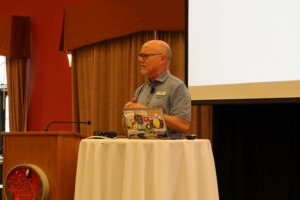
Charles Potts, ICBA
On April 15, 2024, bankers and FinTech vendors came together for WBA’s second annual FinTech Showcase. The full-day event opened with a keynote session on harnessing the power of artificial intelligence (AI) by Charles Potts, EVP and chief innovation officer at ICBA. Potts covered three important aspects of preparing for an AI-driven future:
- Invest in Training: upskill employees to work alongside AI tools.
- Collaborate with Tech Firms: Partner with AI innovators for best solutions.
- Stay Updated: Keep abreast of the latest AI trends and technologies.
“I now use ChatGPT more than I use Google Search.” – Charles Potts
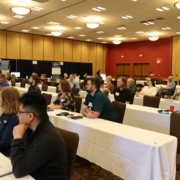
Throughout the day, attendees had the opportunity to watch eight live FinTech demonstrations (20 minutes each) and network with other bankers and over a dozen FinTech providers in the Showcase Hall. A variety of vendors presented live demonstrations of their products and services:
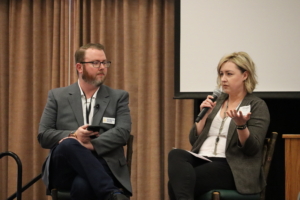
Brandon Ragan, Alkami; and Cyrene Wilke, Horicon Bank
Alkami Technology, Inc. is a leading cloud-based digital banking solutions provider for financial institutions in the United States that enables clients to grow confidently, adapt quickly, and build thriving digital communities. Alkami helps clients transform through retail and business banking, digital account opening, treasury management, data analytics, and marketing solutions.
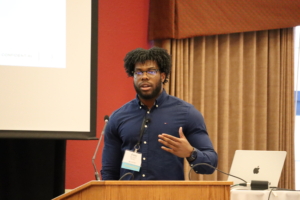
Eisley Nkwonta, Array US, Inc.
Array is a leading financial innovation platform that helps financial institutions get compelling consumer products and features to market quickly. Our table stakes products include credit monitoring and identity protection features that improve financial literacy, increase digital engagement with customers, and provide non-interest income opportunities. Banks also have access to Array’s Offers Engine which unlocks hyper-targeted marketing for credit products.
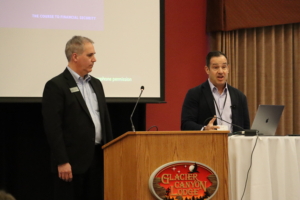
Dave Mancl, Wisconsin Department of Financial Institutions; and Joe Saari, ELEVATE Wisconsin
ELEVATE Wisconsin® is a financial wellness program that provides interactive, effective, unbiased online instruction in personal finance and investing fundamentals designed to enhance the lives of Wisconsin employees and their families. This program was created through public-private collaboration with the Department of Financial Institutions, the Governor’s Council on Financial Literacy, the University of Wisconsin-Madison, and iGrad/Enrich Financial Wellness to help empower and improve the financial literacy of Wisconsinites.
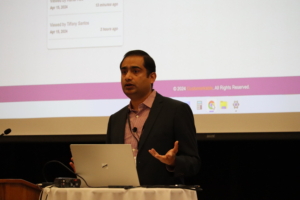
Rahul Rao, EngageGPS
EngageGPS by Customarkable, LLC is a transformative customer engagement and growth platform for community banks that redefines how the financial institution connects with its customers. It’s the next-gen of relationship management solutions that until now has only been available to large regional and national banks.
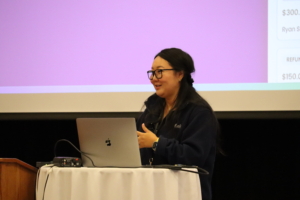
Lori Shao, Finli, Inc.
Finli helps community banks grow business deposits, attract, retain, and deepen relationships with business customers, and compete effectively against NeoBanks, FinTechs, and large banks. We offer an embedded and turnkey comprehensive digital back office for micro, small, and mid-sized businesses offered through community banks.
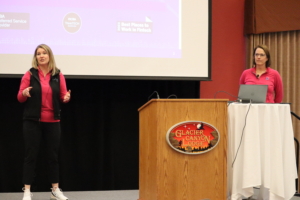
Amber Robinson and Kim Snyder, KlariVis
KlariVis is the only cloud-based, core-agnostic enterprise dashboard and data analytics platform built for bankers, by bankers. KlariVis helps your entire organization see data clearly, empowering you, your team, and your customers to live and work better.
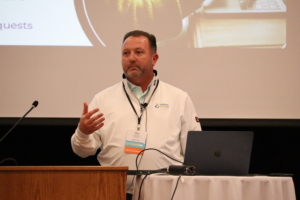
Paul Lehnert, Lenderful Solutions
Home Equity Turbo by Lenderful Solutions allows a lender to process and close a loan in two days. The solution has built-in automation tools, including AVM, Credit Pull (soft or tri), VOI, VOE, VOA, ID verification, property reports, insurance quotes, and underwriting summaries.
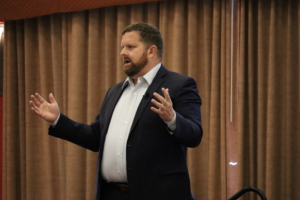
Scott Earwood, White Clay
White Clay is a software solution that helps you build great relationships, know what they are worth, and see them in an actionable dashboard so your bankers can make smarter decisions to drive better returns.
To find additional FinTech providers and other companies that cater to Wisconsin’s banking industry, please visit the WBA Associate Member Directory.


 By Rose Oswald Poels

 Premier Community Bank completed its remodeling project for their Weyauwega branch. The branch location was purchased in June 2022. Premier partnered with EUA as architect/engineer/design firm, for this project, and Findorff as the main construction contractor.